
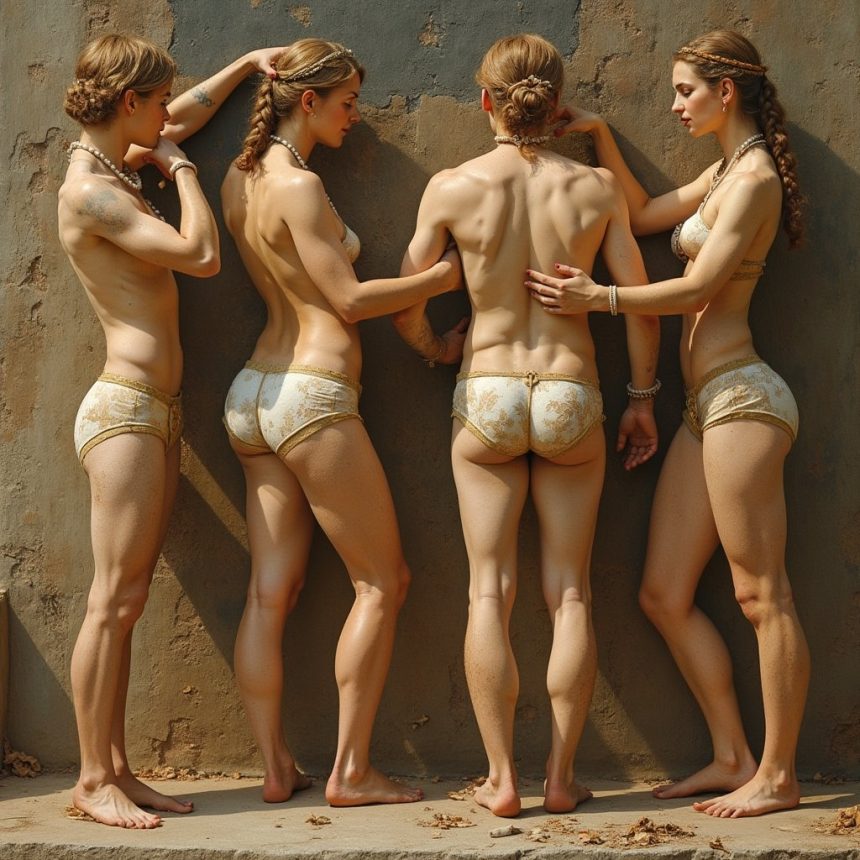
The Influence of Ancient Cultures on Sexual Fantasies Today
The ancient cultures of the past world had a tremendous influence on modern-day sexual fantasies. Throughout the generations, we can see how the sexual concepts and ideas that developed in cultures like Greek, Roman, Egyptian, and Hebrew continue to affect our thoughts and sexual culture today.
In ancient Greek culture, sexual fantasies and moral lessons were inseparable from daily life. The culture of ancient Greek literature, art, and theater was full of love, mysteries, and sexual secrets that were delicate and particularly dazzling. Their influence is also evident in the representation of women and men in art and stories preserved from those times.

In Roman culture, sexual fantasy was an important part of citizens’ daily lives. Romans viewed sex as part of settling disputes and conflicts in society. Love and sexuality were touched upon in art, literature, and traditions that have been preserved from those times.
Read More

In Egyptian culture, sexual fantasies were highly significant as part of religion and tradition. Egyptians viewed sexuality and love as part of their religious and social system. Mythological figures and sexual gods reflected the social and religious circumstances of that time.
In Hebrew culture, sexual fantasy was part of the religious and cultural tradition. In the Bible and Hebrew folk tales, we can see how love, sexuality, and human emotions reflect the values and beliefs of the Jewish people. The characters and stories from that time also carry the mythological and sexual component that was important in their culture.
Ancient culture shapes our models of masculinity and femininity.
Rebecca Gold – Anthropologist
In summary, we can see how ancient cultures still influence our sexual fantasies today. The concepts and ideas developed in ancient cultures form the basis for understanding sexuality and love in the modern world, continuing to impact our thoughts and sexual culture.

Sexual Fantasies in Ancient Cultures as Agents of Social Change
Sexual fantasies were an integral part of ancient cultures and played a central role in shaping how society appeared. In many cases, the sexual fantasies of ancient cultures were agents of social change and central social processes.
In cultures like ancient Greek and Roman, sexual fantasies played a central role in their art, literature, and mythology. Such fantasies were presented in works like “Odyssey” and “Iliad” and contributed to their classic literary works.
In ancient Egyptian culture, sexual fantasies were an inseparable part of the lives of gods and fierce elements that were part of their mythology. These fantasies were presented in Egyptian ancient paintings and writings, contributing to the understanding of the world and educational processes in that culture.
In ancient China, sexual fantasies were presented in their art, literature, and mythology. Here too, sexual fantasies played a central role in how Chinese society and ancient Chinese culture appeared.
Ultimately, we can see that sexual fantasies in ancient cultures played an important role in the past and present, contributing to social change and cultural development over the generations.
Sexual Fantasies in Ancient Cultures as Tools for Human Connection
In ancient cultures, sexual fantasies played a central role in human life and relationships. Since ancient times, sexuality has been an inseparable part of daily life and local traditions. The sexual fantasies that existed in those times influenced morals, art, and social order. In the 21st century, as sexual fantasies have undergone many changes, we can still see the influence of ancient cultures on modern society.
In several ancient cultures, such as ancient Egyptians and Greeks, we can see the development of sexual fantasies through art, literature, and high culture. For example, in ancient Egypt, sexuality was an inseparable part of religion and daily life. Images of gods and goddesses with sexual connections appeared in paintings and jewelry, arousing fantasies and serving as tools for connecting humans to the divine.
In Greek cultures, sexual fantasies were accessed through mythology and art. Stories about gods and heroes with special powers appeared in Greek art, arousing sexual fantasies and assisting in connecting humans to the divine world. Greek mythology teaches us about the powers of love, passion, and the sexual secrets within us.
In the 21st century, sexual fantasies continue to serve as tools for human connection. Ancient cultures pass on their sexual messages to future generations, influencing how we view and relate to sexual fantasies in the modern world. According to modern artists and artworks, the meaning of sexual fantasies evolves and advances, but the foundation remains connected to ancient cultures that played an important role in their development.
Sexual fantasies are an inseparable part of our cultural heritage.
Yael Levi – Cultural Researcher
4. Changes in Sexual Fantasies Throughout History and Reasons Behind Them
Sexual fantasies are an inseparable part of human culture and are part of the stories and art that depict the human experience. Throughout history, ancient cultures developed various sexual fantasies that reflect their values and beliefs.
In the past, sexual fantasies were mainly harsh and disturbing, as seen in the Bible and other ancient cultures. With the development of society and culture, sexual fantasies have changed and become more open and diverse. Today, there are sexual fantasies focusing on love, romance, and human intimacy, without dealing with boundaries and constraints.
There are multiple reasons for changes in sexual fantasies throughout history. The development of society, changes in perceptions of gender and sexuality, and the influence of modern culture on sexual perceptions – all have contributed to changes in sexual fantasies. Also, changes in relationships between people and between genders have led to changes in demands and expectations from sexual fantasies.
In conclusion, we can see that sexual fantasies have undergone many changes throughout history, reflecting the social and cultural processes that have taken place over time. Understanding these changes may help us better understand human sexual relationships and the perception of gender and sexuality today.
Mythological Figures in Ancient Cultures as Examples of Sexual Fantasies
In many ancient cultures, complex sexual fantasies of mythological figures are prominent. These figures shine in stories and mythology of ancient peoples, reflecting deep ideas and values that were important in those times.
One of the most well-known mythological figures is Aphrodite, the goddess of love and beauty in Greek mythology. Aphrodite represents the ideas of love, beauty, and darkness and is always intertwined in stories of secrets and complex relationships between people.
In Egyptian mythology, you will find Isis, the goddess of fertility and love. Isis represents motherhood, warmth, and incomprehensible love between humans and gods.
In ancient Jewish culture, we encounter figures like Lilith, considered the enemy of mankind and representing the most powerful and attractive force.
In ancient China, you can find Puching, the mythological deity representing wealth, tenderness, and fertility.
In each of these ancient cultures, mythological figures reflect different perceptions of gender and sexuality and serve as clear examples of sexual fantasies that were common in those periods. They testify to the values and perceptions that dominated society and the relationship that developed between humans and nature and gods in their mythological stories.
Influence of Ancient Cultures on Sexual Fantasies in Literature and Modern Art
Various ancient cultures worldwide have influenced sexual fantasies in literature and modern art. The concept of sexual fantasies blends fascinatingly with the history and culture of the various places where ancient cultures were built. In each culture, clues and ideas beyond the boundaries of time can be found, influencing our sexual fantasies today.
In ancient Egypt, for example, we find the mythological journey of the hero Inanna to the underworld, describing his experiences in a detailed and fascinating way. Egyptian mythology is full of stories about love, marriage, and sexual relationships, allowing us to understand the ancient Egyptians’ perceptions of gender and human relationships.
In ancient Greece, mythology tells of sexual relations between gods, demigods, and humans, and about forbidden and permissible love. Stories like the tale of Aphrodite and Adonis attest to the mythological heritage that influenced Western culture’s love and sexuality.
Ancient culture influenced our perceptions of masculinity and femininity.
Aviva Cohen – Philosopher
In the Middle East, cultures like ancient Hebrews and Babylonians influenced the development of concepts of sexual relationships, marriage, and love. Love poetry in the Middle East is full of symbols and poems describing human relationships in a poetic and dazzling way.
In ancient China, Confucian and Daoist cultures grew on ideas of sexual thought and sexual relationships. Mythological and philosophical stories tell about love, marriage, and self-will, influencing Chinese sexual culture to this day.

Each of these ancient cultures contributed to the development of sexual fantasies in literature and modern art. Their influence remains relevant in human consciousness today and impacts the creations of writers, poets, and artists around the world.